
Emergency SOS and Panic Alert Systems for Housing Societies: A Practical Guide for RWA Committees
Why phone calls and WhatsApp groups are too slow for a real emergency, what a one-tap SOS system needs to get right, and how committees should set one up.
Why the first sixty seconds of an emergency matter most
Most housing societies already have some version of an emergency plan: a printed list of guard cabin numbers taped near the lift, a security helpline number in the resident WhatsApp group, or an instruction to "call the watchman." The problem is not that these options don't work at all — it is that every one of them depends on someone being calm enough, and free enough, to dial a number, describe the situation, and wait for it to be understood. During a medical emergency, a break-in, a fall, or a fire, that is exactly the sequence a resident is least able to complete quickly.
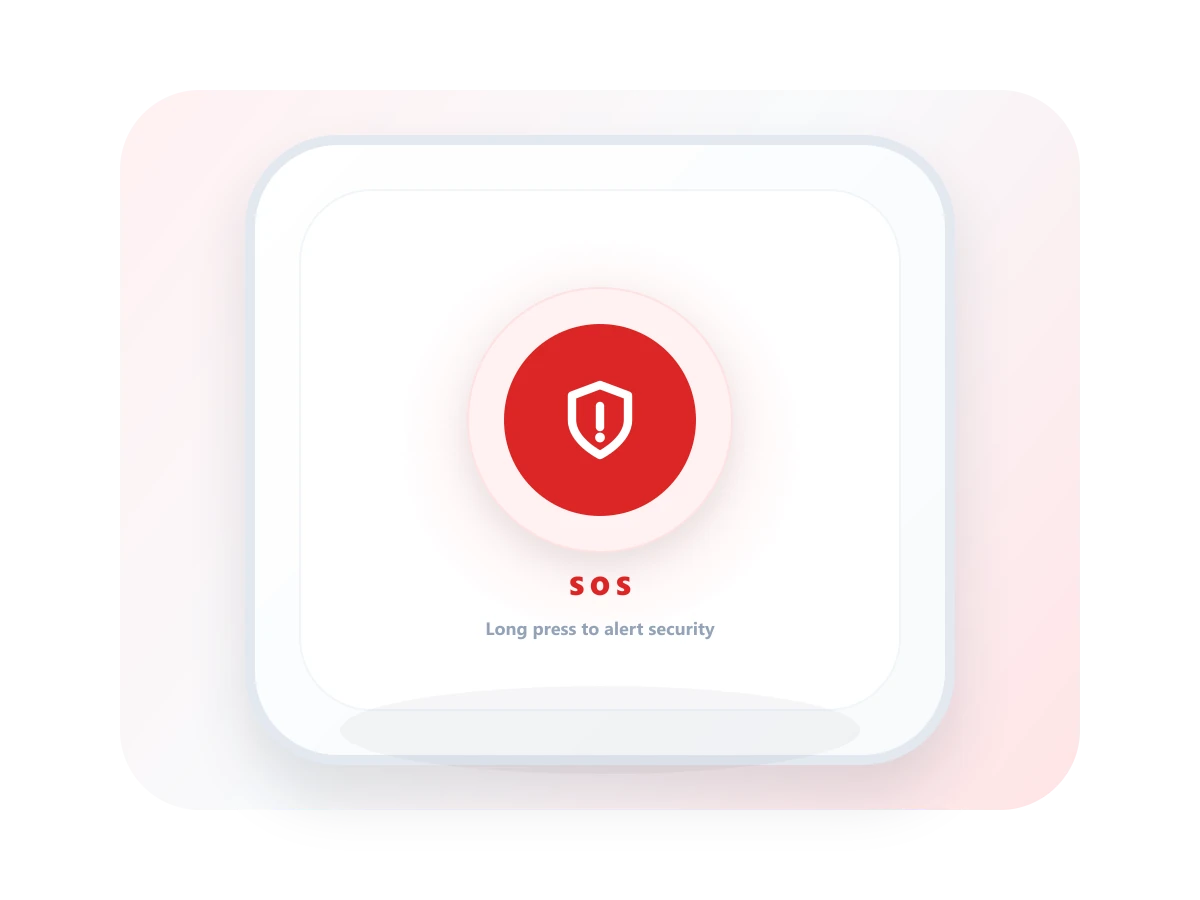
A dedicated emergency SOS or panic alert system exists to remove that sequence. Instead of finding a number and explaining a situation, a resident presses one button, and the alert — along with who sent it and from where — reaches the people who need to respond immediately.
Why informal emergency processes fall short
- A phone call requires the resident to already have the right number saved, and to be composed enough to explain the emergency clearly
- WhatsApp groups are not monitored in real time by anyone with responsibility to act, so an urgent message can sit unread for minutes
- Guards on duty may be on patrol, at the gate handling a queue, or on a call, and have no way of knowing a resident somewhere in the community needs help right now
- There is usually no record of when an emergency was raised, who was notified, or how quickly anyone responded, which makes it hard for a committee to review what happened afterward
- Elderly residents living alone, or residents with limited mobility, are the ones most likely to need fast help and least likely to be able to navigate a multi-step process to get it
What a workable SOS system should cover
- A single, unambiguous action to raise an alert — one tap, not a menu of options to choose from under stress
- Simultaneous notification to everyone who should respond: guards on duty, the security desk, and the resident's own emergency contacts or immediate neighbors, rather than a single point of failure
- The flat number and resident identity attached automatically to the alert, so guards know exactly where to go without needing the resident to explain it
- A way for guards to acknowledge that an alert has been seen and is being responded to, so the resident isn't left wondering if help is actually coming
- A record of every alert raised, when it was sent, and how it was handled, so committees can review response times and identify gaps rather than relying on anecdote
Questions committees should ask before rolling one out
- Does the alert reach guards even if a specific individual guard is unavailable, or does it depend on one person's phone?
- Can residents reach the alert quickly from the app's main screen, without needing to log in or search through menus first?
- Are alerts logged in a way the committee can actually review, separate from routine visitor and complaint records?
- Have guards been trained on what to do the moment an alert comes in, not just told that the feature exists?
- Does the system distinguish a genuine emergency alert from routine notifications, so it doesn't get lost among daily gate and delivery updates?
How MySocietyEntry helps
MySocietyEntry's resident app includes a one-tap Emergency SOS button that broadcasts a panic alert to security guards, neighbors, and the resident's saved emergency contacts at the same time, rather than routing through a single call or message. Because the alert carries the resident's flat and identity automatically, guards can respond to the right location without first needing to track down details over the phone. This sits alongside the guard-side app's own patrol and duty tracking, so a society isn't relying on informal coordination between separate tools during the moments when speed matters most.
Final takeaway
An emergency alert system is only useful if it is faster and more reliable than what a resident would otherwise do under stress, which for most communities today is still a phone call or a message into a group chat. A one-tap SOS that reaches guards, neighbors, and emergency contacts at once, logs what happened, and doesn't depend on one person being available closes a real gap in most societies' safety planning — and it is worth setting up and testing before it is needed, not after.
See It In Action
Explore Apartment Security App
MySocietyEntry helps committees turn guidance like this into a working process instead of another spreadsheet.
Apartment Security App